Scoparia Dulcis: Medicinal Benefits, Uses & Identification
Scoparia Dulcis: Medicinal Benefits, Uses & Identification
Scoparia dulcis—commonly known as Sweet Broomweed, Licorice Weed, or Kallurukki (the "stone dissolver")—stands as a quiet marvel of the botanical world. Often dismissed as a roadside weed thriving in dry, sandy soils and disturbed ground, this modest perennial herb holds a venerated position across traditional medical systems spanning the Amazon rainforest, West Africa, and the Indian subcontinent.
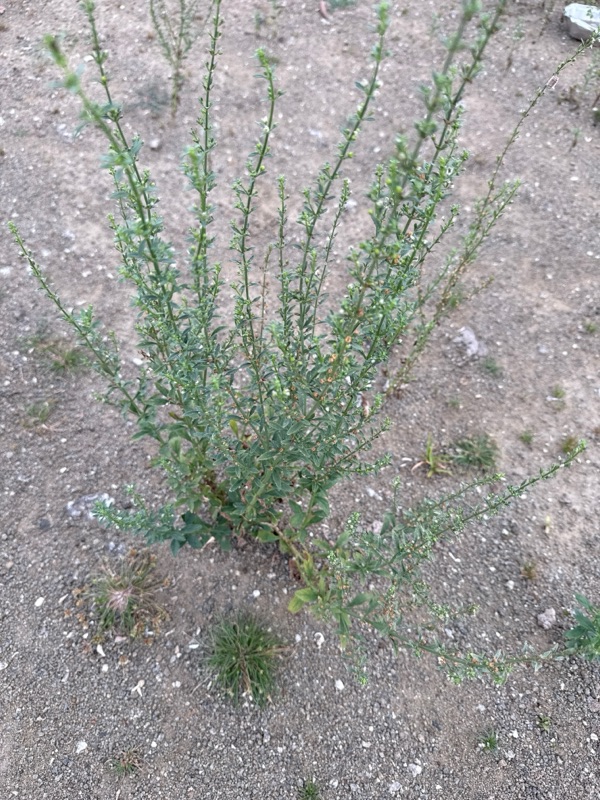
Botanical Identity & Ecology
Belonging to the plantain family (Plantaginaceae, historically placed in Scrophulariaceae), Scoparia dulcis is an erect, multi-branched subshrub reaching between 30 and 80 cm in height.
- Foliage: Slender, ribbed stems bear narrow, serrated leaves arranged oppositely or in whorls of three. When crushed or chewed, the leaves yield a bitter note that gradually gives way to a sweet, licorice-like aftertaste—a quirk responsible for both its Latin epithet (dulcis, meaning "sweet") and common vernacular names.
- Floral Architecture: Dainty, four-petaled white to pale-cream blossoms emerge along the axils, adorned with a dense ring of fine hairs around the throat.
- Hardiness: Highly adaptable, S. dulcis acts as an effective soil stabilizer and colonizer in tropical and subtropical regions, persisting effortlessly through dry spells in lean, uncultivated dirt.
Phytochemical Matrix
The therapeutic versatility of Scoparia dulcis stems from a distinct profile of bioactive secondary metabolites:
- Diterpenes & Triterpenes: Notably scopadulcic acids (A and B), scopadulciol, and scoparic acid, which have drawn significant pharmacological interest for antiviral and cytotoxic properties.
- Flavonoids: Including apigenin, luteolin, and vitexin, providing free-radical scavenging capacity and anti-inflammatory action.
- Coumarins & Saponins: Scopoletin and naturally occurring saponins that aid in tissue relaxation and expectorant responses.
Traditional & Modern Medicinal Usages
Across regional folk practices, Ayurveda, and Siddha medicine, the entire herb—roots, aerial stems, and leaves—is gathered for targeted therapies:
1. Renal & Urinary Tract Support (Kallurukki)
In Southern India and Sri Lanka, the plant is famously known in Tamil and Malayalam as Kallurukki (literally "the stone melter").
- Traditional healers prepare fresh decoctions or cold infusions of the whole plant to alleviate dysuria, reduce inflammation of the urinary tract, and assist in expelling small kidney stones (urolithiasis) by acting as a gentle osmotic diuretic.
2. Blood Sugar Regulation
Long before the advent of modern therapeutics, indigenous cultures across India and South America turned to water extracts of Scoparia dulcis to manage diabetes mellitus. Modern pharmacological investigations highlight compounds like ammeline and specific diterpenes that support glycemic control by improving insulin sensitivity and defending pancreatic beta cells against oxidative damage.
3. Respiratory & Fever Relief
In Amazonian ethnobotany (where it is known as vassourinha) and traditional African medicine:
- Fresh leaf infusions or warm syrups are prepared to soothe persistent bronchial coughs, loosen mucus, and break fevers.
- Chewing the fresh leaves is a frequent folk remedy for hoarseness, sore throats, and toothaches due to localized analgesic compounds.
4. Hepatoprotective & Anti-inflammatory Actions
The anti-inflammatory diterpenoids present in Scoparia dulcis inhibit key inflammatory cascades (such as COX-2 pathways). Animal assays and herbal preparations demonstrate measurable protection for liver tissue against metabolic toxins, aiding systemic detoxification.
5. Topical Healing & Dermatological Applications
- Crushed leaf poultices are applied directly to cuts, bruises, insect bites, impetigo, and eczema to accelerate tissue repair and prevent secondary infections, courtesy of its natural antimicrobial tannins and flavonoids.
Practical Preparation in Folk Traditions
|
Form |
Preparation |
Primary Traditional Indication |
|
Fresh Leaf Decoction |
Boil 10–15 g of cleaned aerial parts in 2 cups of water until reduced by half. |
Urinary clearing, mild fever, glycemic support. |
|
Leaf Poultice |
Macerate fresh leaves into a coarse paste with a pinch of turmeric. |
Skin abrasions, insect bites, localized swelling. |
|
Cold Infusion / Tea |
Steep dried aerial leaves in warm water for 15 minutes. |
Cough soothing, gargle for inflamed gums. |
Note: Because active diterpenoids interact with glucose metabolism and renal clearance, herbal preparations should be approached with calibrated dosages, particularly when paired with conventional diabetic or blood-pressure therapies.


Comments
Post a Comment